

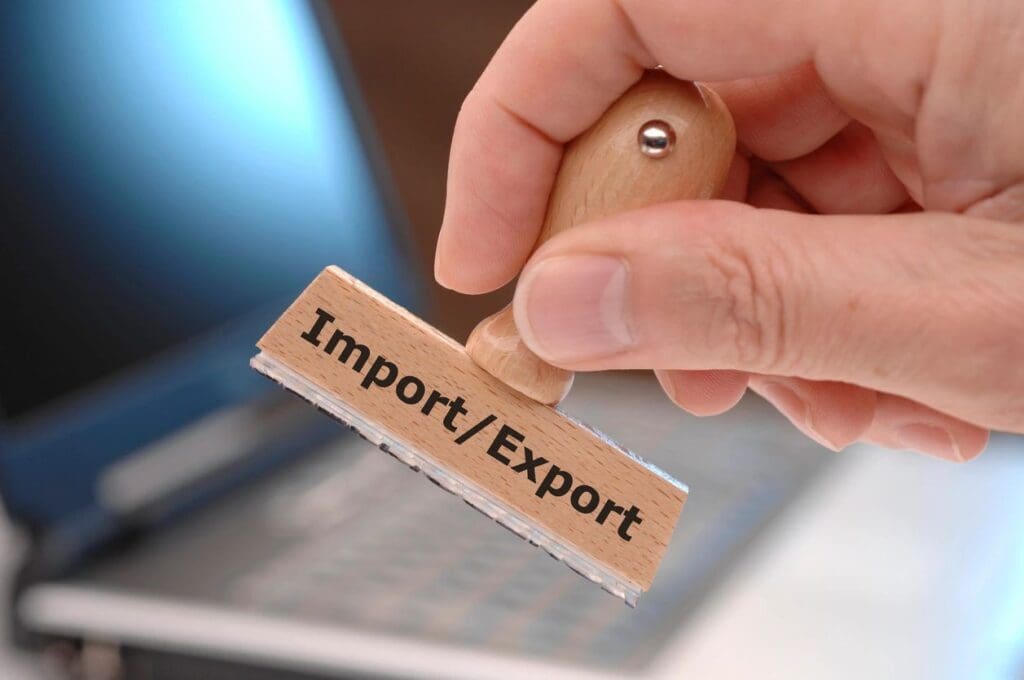
Import/Export
Products can be held due to incomplete or incorrect documentation, non-compliance with import regulations, unpaid duties or taxes, or suspicion of counterfeit or prohibited items.
You can check the status through the U.S. Customs and Border Protection (CBP) website or contact the CBP office directly.
Typically, you need the commercial invoice, packing list, bill of lading, and any required permits or licenses.
Export products can be held due to missing or incorrect export documentation, failure to comply with export control regulations or issues with the destination country’s import requirements.
Contact the relevant export authority, provide any missing documentation, and ensure compliance with all export regulations.
Essential documents include the commercial invoice, export packing list, certificate of origin, and any required export licenses.
Products can be held due to incomplete or incorrect documentation, non-compliance with import regulations, unpaid duties or taxes, or suspicion of counterfeit or prohibited items.
The initial consultation is a comprehensive discovery session designed to understand your company's import operations, current challenges, compliance concerns, and business objectives.
During this consultation, Global Consultants Agency (GCA) will:
- Review your current import processes and operational structure.
- Discuss prior shipment delays, holds, inspections, or compliance concerns.
- Identify potential risk areas affecting your supply chain.
- Evaluate current documentation practices and internal controls.
- Explain available service plans and determine the level of support that best fits your organization.
- Answer questions regarding customs processes, trade compliance responsibilities, and operational best practices.
The initial consultation is informational and advisory in nature and does not constitute legal advice, customs brokerage services, or regulatory certification.
Yes. Global Consultants Agency (GCA) provides advisory, consulting, training, and operational support services only.
We help clients understand import processes, identify potential risks, improve internal controls, and develop best practices. However, GCA does not:
- Act as a Customs Broker.
Provide legal services or legal opinions. - Certify products, processes, or compliance programs.
- Guarantee regulatory outcomes.
- Make decisions on behalf of government agencies.
- Serve as an importer of record.
- File customs entries or customs documentation on behalf of clients.
All final business decisions and regulatory responsibilities remain with the client.
A call-out refers to a request for immediate or expedited support regarding a shipment issue, customs hold, inspection, operational disruption, or other time-sensitive matter.
Depending on the service plan selected, a call-out may include:
- Emergency consultation by phone or video conference.
- Direct communication with client personnel.
No. GCA cannot guarantee that any shipment will avoid examination, detention, delay, assessment, or enforcement action by government agencies. Our role is to provide advisory support, education, and risk-reduction strategies. All government decisions remain solely within the authority of the applicable agency, and all operational and compliance decisions remain the responsibility of the client.




Immigration
Unforeseen circumstances, such as natural catastrophes (hurricanes, wildfires, severe weather, etc.), national emergencies (public health emergencies), severe illness (including COVID), or conflicts abroad, can sometimes affect the processing of your USCIS application, petition, or immigration request.
Immigrant visas are based on family ties, employment, and the diversity visa.
Protection
Executive Protection (EP), also known as Close Protection (CP), refers to security and risk mitigation measures taken to ensure the safety of VIPs or other individuals who may be exposed to elevated personal risk because of their employment, high-profile status, net worth, affiliations or geographical location.
Key Components of Executive Protection, Conducting thorough threat assessments to identify potential risks to the individual. Planning and executing secure transportation strategies, especially during travel.